
تخطي للذهاب إلى المحتوى

Siratify Certified Business Coach (SCBC) - Training Pathway

https://academy.medsirat.com/web/image/product.template/112/image_1920?unique=6bce26c

An International Certification Program in Entrepreneurial Coaching

Empower yourself with advanced coaching skills and exclusive access to the Siratify platform’s powerful tools.


$ 4,800.00 4800.0 USD $ 4,800.00

Not Available For Sale

هذه التركيبة غير موجودة.

تعلم إلكتروني Tunisian Arabic Guided e-Learning

Training at a glance

Siratify Certified Business Coaches is an international entrepreneurial coaching certification, powered by the advanced tools of the Siratify platform.

  • Targeted Certification: Siratify Certified Business Coaches
  • Certification Level: Advanced, Flagship Certification
  • Learning Format: Blended e-learning  (Online modules + live virtual sessions)
  • E-learning Platform: Lifetime access to academic materials
  • Community: Join active coachs community


 Download Brochure  Watch free preview

The SCBC Program is more than just a certification

Get ready to master the art of entrepreneurial coaching through cutting-edge tools, real-world scenarios, and recognized credentials.


Discover Siratify Tools

  • Explore the platform’s practical features.
  • Learn to use tools that enhance your coaching skills and deliver actionable insights.
  • Learn to leverage digital tools to enhance your coaching performance
  • Deliver structured, impactful insights to entrepreneurs


Entrepreneurship in Action

  • Dive into real-world entrepreneurial challenges, risks, and opportunities.
  • Gain knowledge to help clients navigate complexities and achieve growth.
  • Tackle real-world challenges, risks, and opportunities
  • Gain extensive knowledge about the entrepreneurial landscape
  • Learn strategies that drive sustainable growth.


Master Coaching Techniques

  • Sharpen your skills with hands-on, comprehensive training.
  • Develop dynamic, personalized approaches to support clients effectively.
  • Gain confidence in guiding diverse entrepreneur profiles


Earn Your Certification

  • Validate your expertise with a rigorous certification exam.
  • Gain official recognition as a qualified entrepreneurial coach in the global market.
  • Take a rigorous assessment to validate your expertise
  • Obtain official recognition as a Siratify Certified Business Coach
  • Enhance your visibility and credibility within a global network
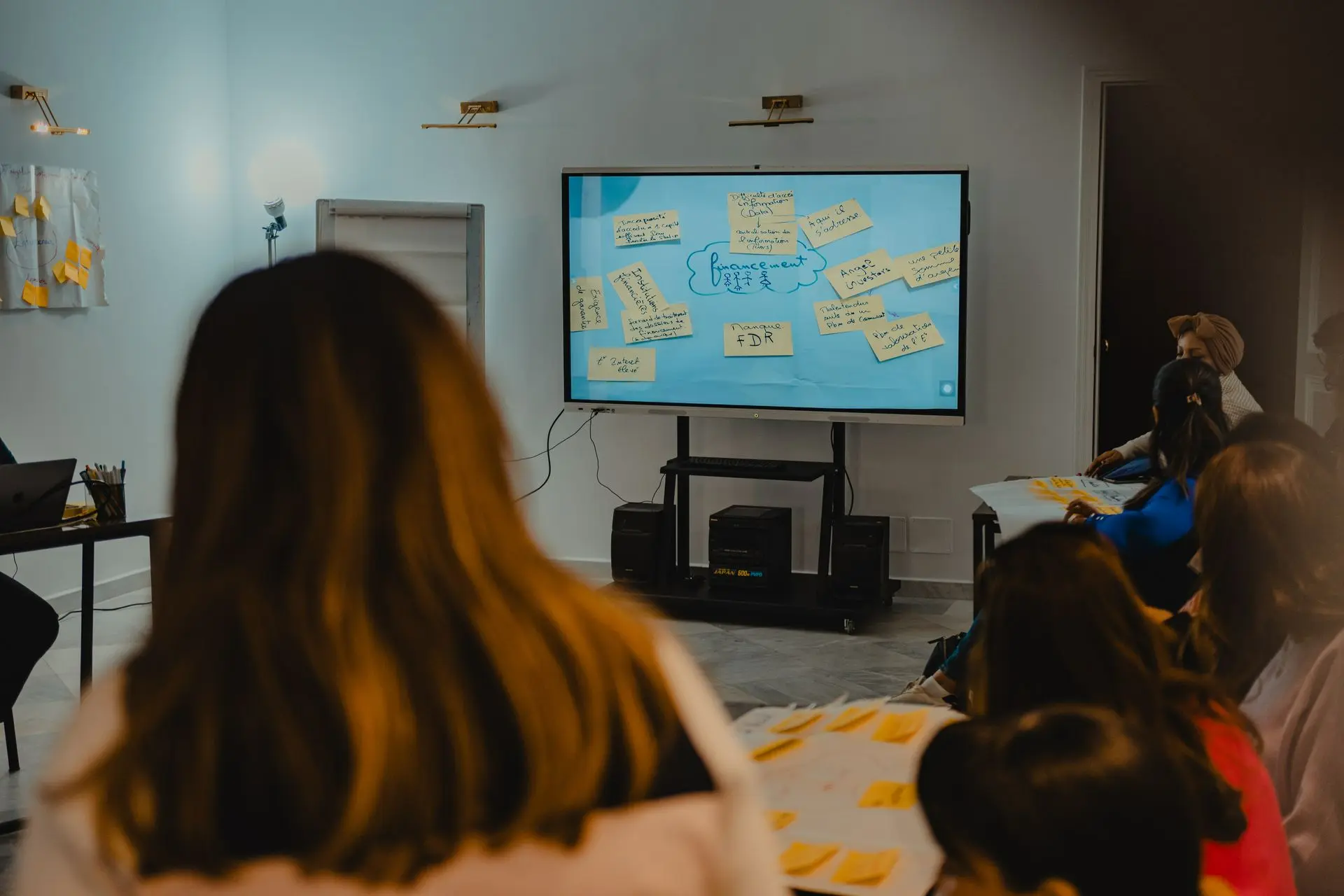
What You’ll Achieve?

Upon successful completion of the program, you’ll:

  • Receive the official Siratify Certified Business Coach Certificate.
  • Be recognized as a certified professional within the Siratify network.
  • Be part of a recognized network of certified professionals
  • Gain the skills to guide entrepreneurs through Siratify’s platform, helping them achieve their business goals.
  • Build a reputation as a trusted and knowledgeable resource in the entrepreneurial community.
  • Strengthen your reputation as a trusted advisor in the entrepreneurial ecosystem

  Hear From Our Coaches

Watch testimonial videos from previous participants and discover how Siratify Certified Business Coach Certificate has elevated their careers.

Your Questions, Answered

Here are some common questions about the SCBC Program

The program is ideal for:
- Coaches, trainers, and consultants looking to enhance their credentials.
- Professionals aiming to specialize in entrepreneurial coaching.
- Experts who want to use the Siratify platform to mentor entrepreneurs.
- Individuals passionate about entrepreneurship and business development.

Complete the training sessions delivered by MedSirat and earn your voucher to sit for the certification exam, assured by Siratify, to become a Siratify Certified Business Coach.

The program duration varies based on the format you choose (online, in-person, or hybrid). On average, it takes 4-6 weeks to complete the training and prepare for the certification exam.

Yes, certified coaches gain access to Siratify’s platform and tools, enabling them to support entrepreneurs effectively.

The certification can help you:
- Start or grow your own coaching business.
- Work with startups, SMEs, or entrepreneurial organizations.
- Collaborate with investors and industry experts within the Siratify network.

As a certified coach, you’ll have access to:
- Ongoing training and webinars.
- Updates on Siratify’s platform features.
- Networking events with entrepreneurs and industry leaders.


Meet our Master Trainer

Dedicated professionals driving your success
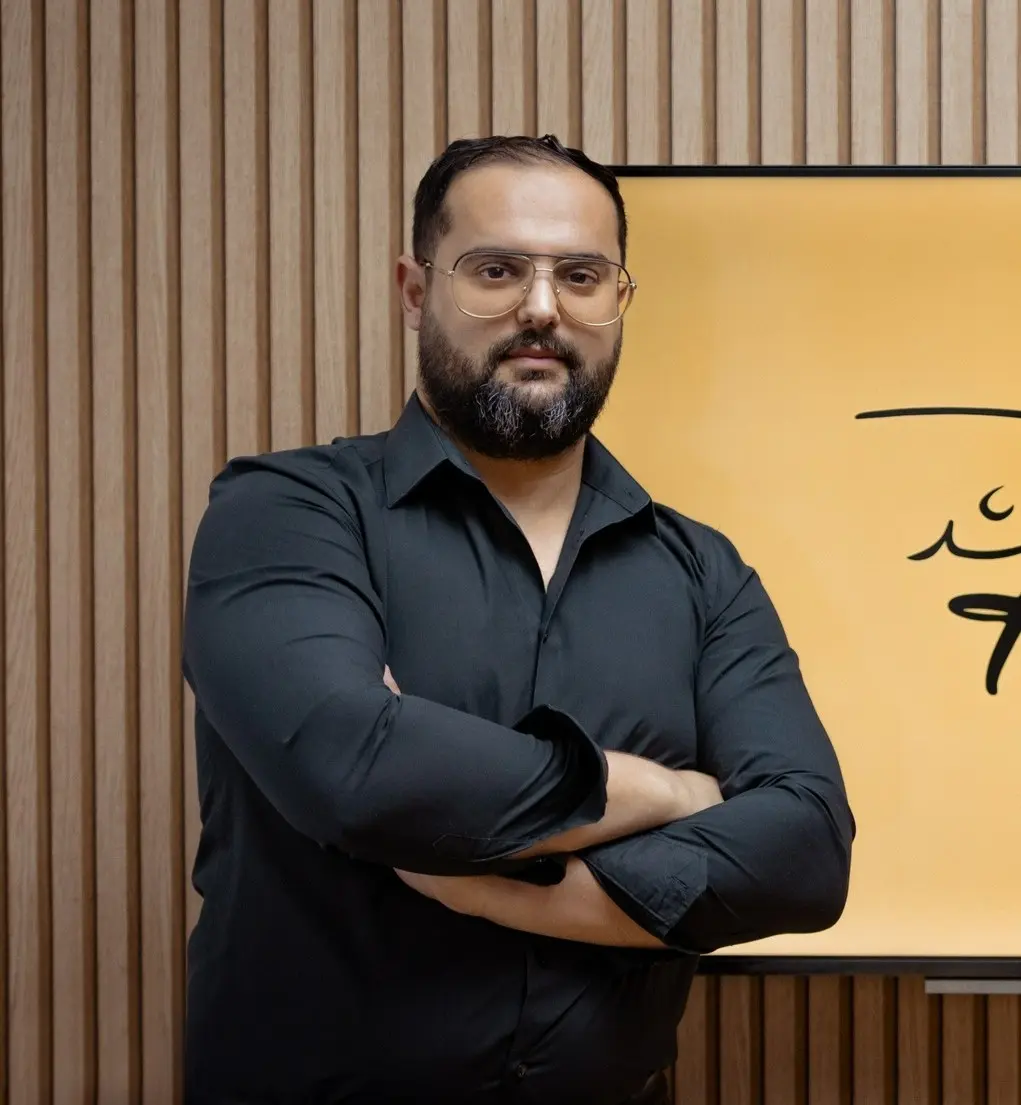
Mohamed Rached Jomni

Chief Executive Officer

Business Consultant & Executive Coach.

A distinguished expert in entrepreneurial and organizational transformation.

He partners with leaders, entrepreneurs, and institutions to refine their growth strategies, address transformation challenges, and cultivate ecosystem development. Furthermore, he devises proprietary coaching methodologies and trains elite professional consultants and coaches to enhance their effectiveness.

Need a custom training session?

Tell us what you're trying to achieve, we'll point you to the right direction.

Talk to us

MedSirat Certified Trainer Training Program — MedSirat Academy
Trainer track

MedSirat Certified TrainerTraining Program

Most people who train were never taught to train. They were good at their job, so someone put them in front of a room. This is the correction: three days on how adults actually learn, how a session is built, and how you know it worked.

Ends in the MedSirat Certified Trainer credential — MCTr — awarded on an assessed facilitation and a written examination, with three credits portable for three years. The examination fee is included in the programme price on a first enrolment.

Fifteen live hours. Twelve participants. Every participant facilitates in front of the room and is marked on it.
01
Why this exists

Expertise is not instruction

A subject expert and a good trainer do different jobs. One knows the material; the other knows what happens in the room when somebody meets it for the first time. The gap between them is where most corporate training loses its value.

01

Knowledge does not transfer by proximity

Sitting near expertise teaches very little. Without structure, practice and a check, what remains a week later is a pleasant memory of a competent person talking.

02

The room tells you whether it worked

Confusion, silence and polite nodding are data. A trainer who cannot read them keeps delivering the same session regardless of what it produced.

03

Training is a craft with a method

Objectives, sequence, practice, feedback and assessment are not paperwork. They are the difference between a session that changes behaviour and one that fills an afternoon.

This programme exists because the first group of people to be harmed by bad training are the participants who trusted it.
02
The cohort

Who sits in this room

The group deliberately mixes three kinds of people, because each one's questions are useful to the others.

01

Subject experts asked to teach

Engineers, doctors, bankers, engineers of every kind who have become the person the organisation sends to explain things.

02

In-house trainers and L&D staff

People who already run sessions and want a method behind what they do by instinct.

03

Consultants and managers who train

Professionals whose work includes transferring knowledge to a client's team and who are tired of being judged on slides.

No teaching qualification is required. What is required is a subject you can teach and the willingness to be watched while you teach it.

03
Outcomes

What you can do at the end

Four capabilities, each assessed rather than assumed.

Design a session that holds

Build a ninety-minute sequence with an opening that earns attention, practice in the middle, and a close that consolidates what was learned.

Write objectives that survive contact

Turn a vague brief into observable outcomes with conditions and criteria, so that assessment stops being an opinion.

Facilitate instead of lecture

Use questioning, silence, pairs and structured activity. Talk less, and get more said by the people who came to learn.

Assess learning and give feedback

Check understanding while the session runs, mark against criteria, and deliver feedback specific enough for somebody to act on it.

04
The three days

Design, then facilitation, then assessment

Each day ends with something produced, not something heard.

Day oneDesign and structureLearners, objectives, sequence, materials. You leave with a session plan for a subject you actually teach, reviewed by the group.
Day twoFacilitationQuestioning, explaining, managing silence and resistance, working with pairs and groups, holding time. You facilitate twice and receive structured feedback.
Day threeAssessment and rehearsalMarking against criteria, giving feedback, handling a difficult participant, and the assessed facilitation itself in front of the cohort.

The order is not arbitrary: you cannot facilitate well what you have not designed, and you cannot assess what you never asked anyone to do.

05
Format

How it runs

Three consecutive days, in person, in a room with a screen and a coffee machine — not a webinar.

3days, consecutive
15live hours
12participants, maximum
3credits, portable
Format

In person, by default

A room, a cohort and a facilitator. Facilitation is a physical skill: posture, pacing, eye contact and silence cannot be assessed through a webcam.

Format

In-house, on request

Run for one organisation's own trainers, using their own material as the working case. Minimum eight participants.

Days run from nine to half past two with a break. Mornings are input and demonstration; afternoons are practice, feedback and production. Nobody spends a day listening.

06
Assessment

How you are assessed

Three components. All three must pass; a strong facilitation does not carry a failed examination.

01
Design dossierSubmitted on day three

A session plan for a subject you teach: audience, objectives, ninety-minute sequence, materials, and the assessment you would use. Marked against a published rubric.

02
Assessed facilitation30 minutes, in the room

You facilitate a real segment in front of the cohort, video-recorded. Assessed on structure, clarity, questioning, use of the group, and how you handle the moment something goes wrong.

03
Written examination60 minutes, closed book

Scenario questions on learning design, group dynamics and assessment. It tests decisions rather than definitions — the room goes quiet at minute forty, what do you do, and why.

Rules of the assessment

  • All three components must be passed. A pass on the facilitation does not compensate for a failed examination, and the reverse is also true.
  • One retake of any failed component within six months, at half the examination fee. Components already passed are carried over.
  • The assessed facilitation is video-recorded and retained with the result, as the evidence behind the grade.
  • Results are issued within ten working days, with the rubric and the assessor's written comments.

Pass: MedSirat Certified Trainer (MCTr), three credits, entry in the register. Fail: one retake of the failed component within six months; the components already passed are carried over.

07
Credits

Credits and the rung above

Three credits here, five more elsewhere: the credential is a rung, not a shelf.

Three of eight

The MCTr carries three credits. The remaining five come from elective courses chosen with the Academy, and together they make the full eight.

Portable for three years

Credits are recorded in the register and can be applied to any route at this tier or above within thirty-six months.

Above this rung sits the MedSirat Executive Leadership & Management Practitioner: eighteen days of advanced practice, for people whose job becomes leading the function rather than delivering in it.
08
Admission

How you join

A short application, not a selection ordeal. The only real question is whether you have something worth teaching.

01
Apply

Send a short note: what you teach, to whom, and what you want to fix about it. Two paragraphs are enough.

02
Confirm the subject

We ask for the topic you will design and facilitate during the three days. It must be something you know well enough to teach without notes.

03
Attend and be assessed

Three consecutive days in the room. The assessed facilitation happens on day three, in front of the cohort.

Requirements

  • A subject you can teach: professional, technical or managerial.
  • Working level of the language of the cohort — English, French or Arabic.
  • Attendance on all three days. There is no distance version of the assessed facilitation.
09
Questions

What people ask

Is this a train-the-trainer course?

In substance yes, but the assessment is what distinguishes it. Most train-the-trainer courses end with a certificate of attendance. Here you facilitate in front of the cohort and are marked against published criteria, and that mark is what the credential records.

Do I need to be an expert in a subject?

You need one subject you can teach without notes. It does not have to be academic: operational, technical and managerial subjects all work, and mixed cohorts produce better feedback.

What exactly is assessed?

A design dossier, a thirty-minute facilitation in the room, and a sixty-minute written examination. The rules and the rubric are handed out on day one, so nothing about the assessment is a surprise.

Can my organisation send a group?

Yes. In-house cohorts run from eight participants, using your own material as the working case. The assessment is unchanged: everyone facilitates and everyone sits the examination.

What does MCTr entitle me to do?

It records that you can design, facilitate and assess a session to a defined standard, and it carries three credits toward the eight. It does not authorise you to deliver MedSirat programmes or to issue MedSirat credentials.

The next cohort

Three days, twelve people, and one session you will design, deliver and be marked on. If you have been teaching by instinct, this is where the instinct becomes a method.

Programme de formation Formateur certifié MedSirat — MedSirat Academy
Filière formateurs

Formateur certifié MedSiratProgramme de formation

La plupart des personnes qui forment n'ont jamais appris à former. Elles excellaient dans leur métier, alors on les a mises devant une salle. C'est la correction : trois jours sur la manière dont les adultes apprennent réellement, sur la construction d'une séance, et sur la façon de savoir si elle a produit quelque chose.

Aboutit à la certification Formateur certifié MedSirat — MCTr — délivrée sur une animation évaluée et un examen écrit, avec trois crédits valables trois ans. Les frais d'examen sont inclus dans le prix du programme à la première inscription.

Quinze heures en direct. Douze participants. Chacun anime devant la salle et est noté sur cette animation.
01
Pourquoi ce programme

L'expertise n'est pas l'enseignement

Un expert et un bon formateur font deux métiers. L'un connaît la matière ; l'autre sait ce qui se passe dans la salle quand quelqu'un la rencontre pour la première fois. C'est dans cet écart que la formation en entreprise perd sa valeur.

01

Le savoir ne se transmet pas par proximité

Rester assis près d'un expert n'apprend presque rien. Sans structure, sans pratique et sans vérification, il reste une semaine plus tard le souvenir agréable d'une personne compétente qui parlait.

02

La salle dit si cela a fonctionné

La confusion, le silence et les hochements polis sont des données. Un formateur qui ne sait pas les lire répète la même séance quel qu'en soit le résultat.

03

Former est un métier, avec une méthode

Objectifs, progression, pratique, retour et évaluation ne sont pas de la paperasse. C'est la différence entre une séance qui change un comportement et une qui remplit un après-midi.

Ce programme existe parce que les premières victimes d'une mauvaise formation sont les participants qui y ont cru.
02
Le groupe

Qui s'assoit dans cette salle

Le groupe mélange volontairement trois profils, parce que les questions de chacun servent aux autres.

01

Des experts appelés à enseigner

Ingénieurs, médecins, banquiers : ceux que l'organisation envoie expliquer les choses.

02

Des formateurs internes et responsables formation

Des personnes qui animent déjà et veulent une méthode derrière ce qu'elles font d'instinct.

03

Des consultants et managers qui forment

Des professionnels dont le travail inclut de transmettre à l'équipe d'un client, et qui en ont assez d'être jugés sur des diapositives.

Aucune qualification pédagogique n'est exigée. Ce qui est exigé, c'est un sujet que vous pouvez enseigner et l'acceptation d'être observé pendant que vous l'enseignez.

03
Résultats

Ce que vous savez faire à la fin

Quatre capacités, chacune évaluée et non supposée.

Concevoir une séance qui tient

Construire une séquence de quatre-vingt-dix minutes avec une ouverture qui capte, de la pratique au milieu et une clôture qui consolide.

Écrire des objectifs qui résistent au réel

Transformer un brief flou en résultats observables, avec conditions et critères, pour que l'évaluation cesse d'être une opinion.

Animer au lieu de conférencer

Utiliser le questionnement, le silence, les binômes et les activités structurées. Parler moins, et faire dire davantage à ceux qui sont venus apprendre.

Évaluer les acquis et donner du retour

Vérifier la compréhension pendant la séance, noter selon des critères, et formuler un retour assez précis pour être utilisé.

04
Les trois jours

Concevoir, puis animer, puis être évalué

Chaque journée se termine par quelque chose de produit, non par quelque chose d'entendu.

Jour unConception et structurePublic, objectifs, progression, supports. Vous repartez avec le plan d'une séance sur un sujet que vous enseignez vraiment, relu par le groupe.
Jour deuxAnimationQuestionnement, explication, gestion du silence et des résistances, travail en binômes et en groupes, tenue du temps. Vous animez deux fois et recevez un retour structuré.
Jour troisÉvaluation et répétitionNoter selon des critères, donner du retour, gérer un participant difficile, puis l'animation évaluée devant le groupe.

L'ordre n'est pas arbitraire : on n'anime pas bien ce qu'on n'a pas conçu, et on n'évalue pas ce qu'on n'a jamais demandé à personne de faire.

05
Format

Comment cela se passe

Trois jours consécutifs, en présentiel, dans une salle avec un écran et une machine à café — pas un webinaire.

3jours consécutifs
15heures en direct
12participants maximum
3crédits valables
Format

En présentiel, par défaut

Une salle, un groupe, un facilitateur. Animer est une compétence physique : posture, rythme, regard et silence ne s'évaluent pas par webcam.

Format

En intra, sur demande

Pour les formateurs d'une même organisation, avec leur propre matériel comme cas de travail. Huit participants minimum.

Les journées vont de neuf heures à quatorze heures trente avec une pause. Les matins sont apports et démonstration ; les après-midi, pratique, retour et production. Personne ne passe une journée à écouter.

06
Évaluation

Comment vous êtes évalué

Trois composantes. Les trois doivent être validées : une bonne animation ne rattrape pas un examen raté.

01
Dossier de conceptionRemis le troisième jour

Le plan d'une séance sur un sujet que vous enseignez : public, objectifs, séquence de quatre-vingt-dix minutes, supports, et l'évaluation que vous utiliseriez. Noté selon une grille publiée.

02
Animation évaluée30 minutes, en salle

Vous animez un segment réel devant le groupe, filmé. Évalué sur la structure, la clarté, le questionnement, l'usage du groupe, et la manière dont vous gérez le moment où quelque chose dérape.

03
Examen écrit60 minutes, sans documents

Des questions de situation sur la conception, la dynamique de groupe et l'évaluation. Il teste des décisions, non des définitions : la salle se tait à la quarantième minute, que faites-vous et pourquoi.

Règles de l'évaluation

  • Les trois composantes doivent être validées. Une animation réussie ne compense pas un examen échoué, et l'inverse est vrai aussi.
  • Une seule reprise par composante échouée, sous six mois, à la moitié des frais d'examen. Les composantes déjà validées sont conservées.
  • L'animation évaluée est filmée et conservée avec le résultat, comme preuve de la note.
  • Les résultats sont délivrés sous dix jours ouvrés, avec la grille et les commentaires écrits de l'évaluateur.

Admis : Formateur certifié MedSirat (MCTr), trois crédits, inscription au registre. Ajourné : une reprise de la composante échouée sous six mois ; les composantes déjà validées sont conservées.

07
Crédits

Les crédits et l'échelon au-dessus

Trois crédits ici, cinq ailleurs : la certification est un échelon, pas une étagère.

Trois sur huit

La MCTr porte trois crédits. Les cinq autres viennent de cours au choix, construits avec l'Academy, et forment ensemble les huit.

Valables trois ans

Les crédits sont inscrits au registre et s'appliquent à tout parcours de ce niveau ou supérieur pendant trente-six mois.

Au-dessus se trouve le Praticien MedSirat en leadership et management : dix-huit jours de pratique avancée, pour celles et ceux dont le métier devient de diriger la fonction plutôt que d'y intervenir.
08
Admission

Comment vous nous rejoignez

Une candidature courte, pas un concours. La seule vraie question est : avez-vous quelque chose à enseigner.

01
Candidater

Envoyez quelques lignes : ce que vous enseignez, à qui, et ce que vous voulez corriger. Deux paragraphes suffisent.

02
Confirmer le sujet

Nous demandons le thème que vous concevrez et animerez pendant les trois jours. Il doit être assez maîtrisé pour être enseigné sans notes.

03
Participer et être évalué

Trois jours consécutifs en salle. L'animation évaluée a lieu le troisième jour, devant le groupe.

Conditions

  • Un sujet que vous pouvez enseigner : professionnel, technique ou managérial.
  • Un niveau opérationnel dans la langue du groupe — anglais, français ou arabe.
  • La présence aux trois jours. L'animation évaluée n'existe pas à distance.
09
Questions

Ce qu'on nous demande

Est-ce un cours de formateurs ?

Sur le fond oui, mais l'évaluation fait la différence. La plupart se terminent par une attestation de présence. Ici, vous animez devant le groupe et êtes noté selon des critères publiés, et c'est cette note que la certification enregistre.

Faut-il être expert d'un sujet ?

Il faut un sujet que vous pouvez enseigner sans notes. Il n'a pas besoin d'être académique : les sujets opérationnels, techniques et managériaux conviennent, et les groupes mixtes produisent de meilleurs retours.

Qu'évalue-t-on exactement ?

Un dossier de conception, une animation de trente minutes en salle et un examen écrit de soixante minutes. Les règles et la grille sont remises le premier jour : rien de l'évaluation n'est une surprise.

Mon organisation peut-elle envoyer un groupe ?

Oui. Les sessions intra démarrent à huit participants, avec votre propre matériel comme cas de travail. L'évaluation est inchangée : chacun anime et chacun passe l'examen.

Que permet la MCTr ?

Elle atteste que vous savez concevoir, animer et évaluer une séance selon un standard défini, et elle porte trois crédits sur huit. Elle n'autorise ni à animer les programmes MedSirat ni à délivrer ses certifications.

La prochaine session

Trois jours, douze personnes, et une séance que vous concevrez, animerez et serez noté dessus. Si vous enseignez d'instinct, c'est ici que l'instinct devient une méthode.

برنامج تدريب مدرب معتمد من MEDSIRAT — MedSirat Academy
مسار المدربين

مدرب معتمد من MEDSIRATبرنامج تدريبي

معظم من يدرّبون لم يتعلّموا التدريب قطّ. كانوا بارعين في عملهم، فوضعهم أحدًا أمام قاعة. هذا هو التصحيح: ثلاثة أيام في كيف يتعلّم البالغون فعلًا، وكيف تُبنى الجلسة، وكيف تعرف أنها أنتجت شيئًا.

ينتهي باعتماد مدرب معتمد من MEDSIRAT — MCTr — يُمنح على أساس تدريب مُقيّم وامتحان مكتوب، مع ثلاث وحدات صالحة ثلاث سنوات. ورسوم الامتحان مشمولة في سعر البرنامج عند التسجيل الأول.

خمس عشرة ساعة مباشرة. اثنا عشر مشاركًا. كلّ مشارك يُدير أمام القاعة ويُقيّم على ذلك.
01
لماذا هذا البرنامج

الخبرة ليست تدريسًا

الخبير والمدرّب الجيّد يؤدّيان مهمتين مختلفتين. أحدهما يعرف المادة؛ والآخر يعرف ما يحدث في القاعة حين يلتقي بها المتعلّم لأول مرة. وفي هذه الفجوة تفقد معظم الدورات قيمتها.

01

المعرفة لا تنتقل بالمجاورة

الجلوس قرب خبير لا يعلّم إلّا القليل. بلا بنية ولا تطبيق ولا تحقّق، لا يبقى بعد أسبوع سوى ذكرى لطيفة عن شخص كفؤ يتحدّث.

02

القاعة تقول هل نجح الأمر

الارتباك والصمت والإيماءات المؤدّبة كلها بيانات. والمدرّب الذي لا يقرأها يُكرر الجلسة نفسها مهما كان ناتجها.

03

التدريب حرفة لها منهج

الأهداف والتسلسل والتطبيق والتغذية الراجعة والتقييم ليست أوراقًا. إنها الفرق بين جلسة تُغيّر سلوكًا وجلسة تملأ بعد ظهر.

وجد هذا البرنامج لأن أول من يتضرر من التدريب السيئ هم المشاركون الذين وثقوا به.
02
المجموعة

من يجلس في هذه القاعة

المجموعة تخلط عمدًا ثلاثة أنماط، لأن أسئلة كلّ واحد تخدم الآخرين.

01

خبراء يُطلب منهم التعليم

مهندسون وأطبّاء ومصرفيون: أولئك الذين تُرسلهم المؤسسة ليشرحوا الأشياء.

02

مدرّبون داخليون ومسؤولو التطوير

من يُديرون جلسات بالفعل ويريدون منهجًا وراء ما يفعلونه بالحدس.

03

مستشارون ومديرون يدرّبون

مهنيّون يشمل عملهم نقل المعرفة إلى فريق العميل، وسئموا من أن يُقيّموا على الشرائح.

لا يُطلب أيّ مؤهّل تربوي مسبق. المطلوب مادة تستطيع تدريسها، واستعداد لأن يُراقبك أحد أثناء تدريسها.

03
المخرجات

ما تقدر عليه في النهاية

أربع قدرات، كلّها مُقيّمة لا مفترضة.

تصميم جلسة تصمد

بناء تسلسل من تسعين دقيقة: افتتاح يكسب انتباهًا، وتطبيق في الوسط، وختام يُرسّخ ما تُعلّم.

كتابة أهداف تصمد أمام الواقع

تحويل تكليف غامض إلى نتائج قابلة للملاحظة، بشروط ومعايير، حتّى يكف التقييم عن كونه رأيًا.

التيسير بدل المحاضرة

استخدام الأسئلة والصمت والثنائيات والأنشطة المنظّمة. تتحدّث أقلّ، وتجعل من جاء ليتعلّم يتحدّث أكثر.

تقييم التعلّم وإعطاء التغذية الراجعة

التحقّق من الفهم أثناء الجلسة، والتنقيط وفق معايير، وتقديم تغذية دقيقة كفاية للتنفيذ.

04
الأيام الثلاثة

التصميم، ثم التيسير، ثم التقييم

كلّ يوم ينتهي بشيء مُنتج، لا بشيء مَسموع.

اليوم الأولالتصميم والبنيةالمتعلّمون، الأهداف، التسلسل، المواد. تخرج بخطة جلسة لمادة تُدرّسها فعلًا، مراجعة من المجموعة.
اليوم الثانيالتيسيرالأسئلة، الشرح، إدارة الصمت والمقاومة، العمل بالثنائيات والمجموعات، ضبط الوقت. تُدير مرّتين وتتلقّى تغذية منظّمة.
اليوم الثالثالتقييم والتدريب النهائيالتنقيط وفق معايير، إعطاء التغذية الراجعة، التعامل مع مشارك صعب، ثم التدريب المُقيّم أمام المجموعة.

الترتيب ليس عشوائيًا: لا تُدير جيدًا ما لم تُصمّمه، ولا تُقيّم ما لم تطلب من أحد فعله.

05
الشكل

كيف يسير البرنامج

ثلاثة أيام متتالية، حضوريّة، في قاعة فيها شاشة وآلة قهوة — لا ندوة رقمية.

3أيام متتالية
15ساعة مباشرة
12مشاركًا حدّ أقصى
3وحدات صالحة
الشكل

حضوري بالأصل

قاعة ومجموعة وميسّر. التيسير مهارة جسدية: الوقفة والإيقاع والنظر والصمت لا تُقيّم عبر الكاميرا.

الشكل

داخلي عند الطلب

لمدرّبي مؤسسة واحدة، بمو8دتهم كحالة عمل. ثمانية مشاركين حدًّا أدنى.

اليوم من التاسعة إلى الثانية والنصف بعد الظهر مع استراحة. الصباح تقديم وعرض، والبعد الظهري تطبيق وتغذية وإنتاج. لا يقضي أحد يومًا في الاستماع فقط.

06
التقييم

كيف تُقيّم

ثلاثة عناصر. يجب النجاح في الثلاثة؛ وتدريب جيّد لا يُغني عن امتحان راسب.

01
ملف التصميميُسلّم في اليوم الثالث

خطة جلسة لمادة تُدرّسها: الجمهور، الأهداف، تسلسل تسعين دقيقة، المواد، والتقييم الذي ستستخدمه. يُنقّط وفق معايير منشورة.

02
تدريب مُقيّم30 دقيقة في القاعة

تُدير جزءًا حقيقيًا أمام المجموعة، ويُسجّل بالفيديو. يُقيّم على البنية والوضوح والأسئلة واستخدام المجموعة والتعامل مع لحظة اختلال.

03
امتحان مكتوب60 دقيقة بدون مراجع

أسئلة حالات في تصميم التعلّم وديناميكية المجموعة والتقييم. يختبر قرارات لا تعريفات: صمتت القاعة في الدقيقة الأربعين، ماذا تفعل ولماذا.

قواعد التقييم

  • يجب النجاح في العناصر الثلاثة. نجاح التدريب لا يُعوّض رسوب الامتحان، والعكس صحيح.
  • إعادة واحدة لكلّ عنصر راسب خلال ستة أشهر، بنصف رسوم الامتحان. وتُحفظ العناصر الناجحة.
  • يُسجّل التدريب المُقيّم بالفيديو ويُحفظ مع النتيجة كدليل على التقدير.
  • تُصدر النتائج خلال عشرة أيام عمل مع معايير التنقيط وملاحظات المقيّم المكتوبة.

بالنجاح: مدرب معتمد من MEDSIRAT (MCTr)، ثلاث وحدات، وقيد في السجل. بالرسوب: إعادة واحدة للعنصر الراسب خلال ستة أشهر؛ وتُحفظ العناصر الناجحة.

07
الوحدات

الوحدات والدرجة الأعلى

ثلاث وحدات هنا وخمس في مكان آخر: الاعتماد درجة، لا رفّ.

ثلاث من ثمان

يحمل MCTr ثلاث وحدات. والخمس الباقية من دورات اختيارية تُبنى مع الأكاديمية، وتُكمل معًا الثماني.

صالحة ثلاث سنوات

تُقيّد الوحدات في السجل، وتُطبّق على أيّ مسار في هذه الدرجة أو فوقها خلال ستة وثلاثين شهرًا.

فوق هذه الدرجة يقع برنامج ممارس MEDSIRAT للقيادة والإدارة التنفيذية: ثمانية عشر يومًا من الممارسة المتقدمة، لمن يصير عمله قيادة الوظيفة لا العمل فيها.
08
القبول

كيف تنضم

طلب قصير، لا اختبار انتقاء. السؤال الحقيقي واحد: هل لديك ما يستحق أن يُدرّس؟

01
قدّم طلبك

أرسل بضعة أسطر: ماذا تُدرّس، ولمن، وما الذي تريد إصلاحه. فقرتان تكفيان.

02
أكّد المادة

نطلب الموضوع الذي ستصممه وتُديره خلال الأيام الثلاثة، ويجب أن تكون تعرفه جيدًا بحيث تُدرّسه بدون ملاحظات.

03
احضر وقيّم

ثلاثة أيام متتالية في القاعة. والتدريب المُقيّم يجري في اليوم الثالث أمام المجموعة.

الشروط

  • مادة تستطيع تدريسها: مهنية أو تقنية أو إدارية.
  • مستوى عملي في لغة المجموعة — العربية أو الفرنسية أو الإنجليزية.
  • الحضور في الأيام الثلاثة كاملة. لا توجد نسخة عن بعد للتدريب المُقيّم.
09
أسئلة

ما يُسأل عنه غالبًا

هل هذا دورة تدريب المدربين؟

في الجوهر نعم، لكن التقييم هو ما يُميّزه. معظم تلك الدورات تنتهي بشهادة حضور. هنا تُدير أمام المجموعة وتُنقّط وفق معايير منشورة، وهذا التنقيط هو ما يُسجّله الاعتماد.

هل يجب أن أكون خبيرًا في مادة؟

تحتاج مادة واحدة تستطيع تدريسها بدون ملاحظات. لا يلزم أن تكون أكاديمية: المواد التشغيلية والتقنية والإدارية تناسب جميعًا، والمجموعات المختلطة تُنتج تغذية أفضل.

ما الذي يُقيّم بالضبط؟

ملف تصميم، وتدريب ثلاثين دقيقة في القاعة، وامتحان مكتوب ستين دقيقة. تُسلّم القواعد ومعايير التنقيط في اليوم الأول، فلا مفاجأة.

هل يمكن لمؤسستي إرسال مجموعة؟

نعم. الدورات الداخلية تبدأ من ثمانية مشاركين، بمو8دتكم كحالة عمل. والتقييم لا يتغيّر: الجميع يُدير والجميع يمتحن.

ماذا يُخوّل لي MCTr؟

يُثبت أنك تستطيع تصميم جلسة وتيسيرها وتقييمها وفق معيار محدد، ويحمل ثلاث وحدات من ثمان. ولا يُخوّل تقديم برامج MEDSIRAT ولا إصدار اعتماداتها.

الدفعة القادمة

ثلاثة أيام، واثنا عشر شخصًا، وجلسة واحدة تصممها وتُديرها وتُنقّط عليها. إن كنت تُدرّس بالحدس، فهنا يصير الحدس منهجًا.